
- All
- Product Name
- Product Keyword
- Product Model
- Product Summary
- Product Description
- Multi Field Search
English
Views: 0 Author: Site Editor Publish Time: 2025-04-25 Origin: Site
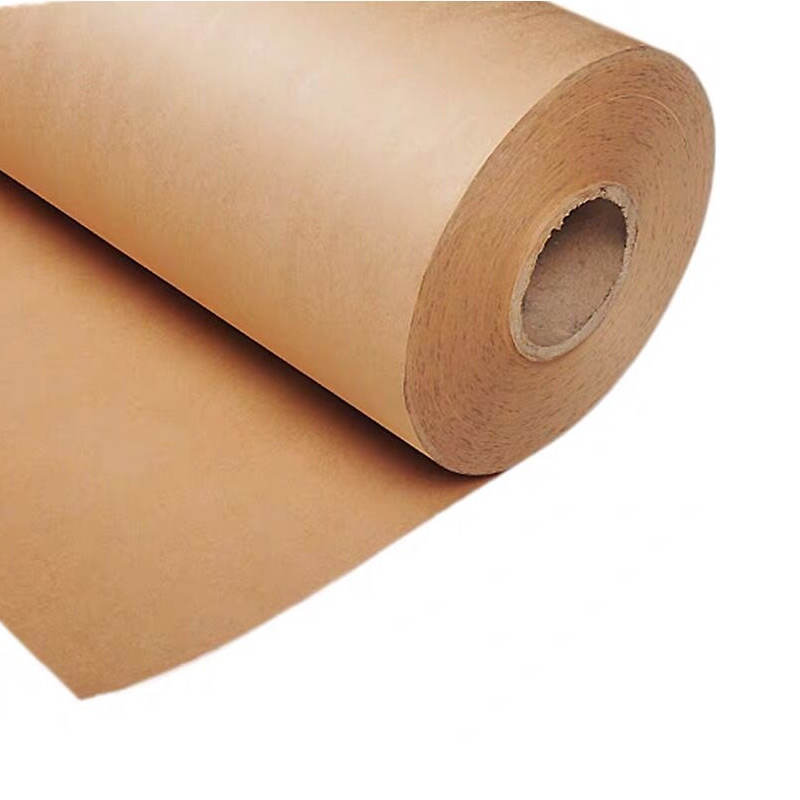
As climate concerns and deforestation take center stage globally, many industries are reevaluating traditional manufacturing practices. One sector undergoing major transformation is the paper industry. Traditionally, paper has been made using wood pulp derived from trees. But can paper be manufactured without using wood pulp? The answer is yes—and this alternative is called Non-woodpulp Paper. With growing technological innovation and environmental awareness, Non-woodpulp Paper is becoming a viable and sustainable solution to meet modern paper demands.
In this article, we’ll dive deep into the world of Non-woodpulp Paper, exploring what it is, the materials used to make it, its environmental benefits, and how it compares to traditional wood pulp paper. We’ll also explore real-world use cases, global market trends, and answer some frequently asked questions.
Non-woodpulp Paper is paper manufactured using raw materials other than traditional wood-based pulp. These raw materials include agricultural residues, fiber crops, recycled materials, and even synthetic fibers. The objective of using Non-woodpulp Paper is to reduce dependency on wood, lower environmental impact, and promote circular economy practices.
The following are popular raw materials used to make Non-woodpulp Paper:
| Raw Material | Description | Advantages |
|---|---|---|
| Bamboo | Fast-growing grass with strong fibers | Rapid renewability, biodegradable |
| Hemp | A versatile crop with long fibers | Durable, requires less water than trees |
| Bagasse | Sugarcane residue after juice extraction | Abundant agricultural waste, low-cost |
| Cotton Linters | Short fibers removed during cotton processing | High-quality paper, smooth finish |
| Kenaf | Hibiscus plant species | High fiber yield, low lignin content |
| Straw | Byproduct of cereal grains | Utilizes farm waste, cost-effective |
| Recycled Paper | Used paper products | Reduces landfill waste, energy-efficient |
| Stone Powder | Calcium carbonate and resin mix | Waterproof, tree-free, long-lasting |
All of these alternatives contribute to Non-woodpulp Paper production and offer unique ecological and economic benefits.
With growing consumer and regulatory pressure for sustainability, Non-woodpulp Paper is emerging as a crucial solution. Here's why it’s gaining momentum:
Reduces deforestation: The use of agricultural residues and fast-growing crops like bamboo or hemp reduces the pressure on forests.
Lower water and energy use: Many non-wood fibers require less water and energy during the pulping process.
Lower carbon emissions: Non-wood materials can sequester more carbon during growth and require less chemical treatment.
Utilizes waste materials such as bagasse, straw, and cotton linters.
Promotes resource efficiency by minimizing landfill waste and reusing industrial by-products.
Some Non-woodpulp Paper types are stronger, more durable, or smoother than conventional paper. Hemp, for example, has been known for centuries to produce extremely durable paper.
The Non-woodpulp Paper market is expanding as businesses seek to lower their environmental footprint. Let’s look at some key statistics:
| Region | Market Trend | Drivers |
|---|---|---|
| Asia-Pacific | Rapid growth due to large-scale agriculture and government green policies | Demand for biodegradable packaging, availability of bamboo and bagasse |
| Europe | High awareness and adoption of eco-friendly paper | EU regulations on single-use plastics and sustainability goals |
| North America | Rising interest from eco-conscious brands and consumers | Growth in recycled and hemp paper markets |
According to industry reports, the global market for Non-woodpulp Paper is projected to grow at a CAGR of 6.5% from 2023 to 2030. Key drivers include:
Green packaging demands
Regulatory mandates
Rise in e-commerce and need for sustainable wrapping materials
Corporate ESG goals (Environmental, Social, Governance)
| Feature | Non-woodpulp Paper | Wood-based Paper |
|---|---|---|
| Raw Materials | Bamboo, hemp, bagasse, straw, recycled content | Trees (softwood and hardwood) |
| Time to Harvest | 3 months to 1 year (bamboo, hemp) | 10–30 years |
| Water Usage | Lower | Higher |
| Energy Usage | Lower in most cases | Higher |
| Fiber Strength | Often higher (hemp, bamboo) | Moderate |
| Environmental Impact | Low, sustainable | High, leads to deforestation |
| Cost | Slightly higher (currently) | Economical due to scale |
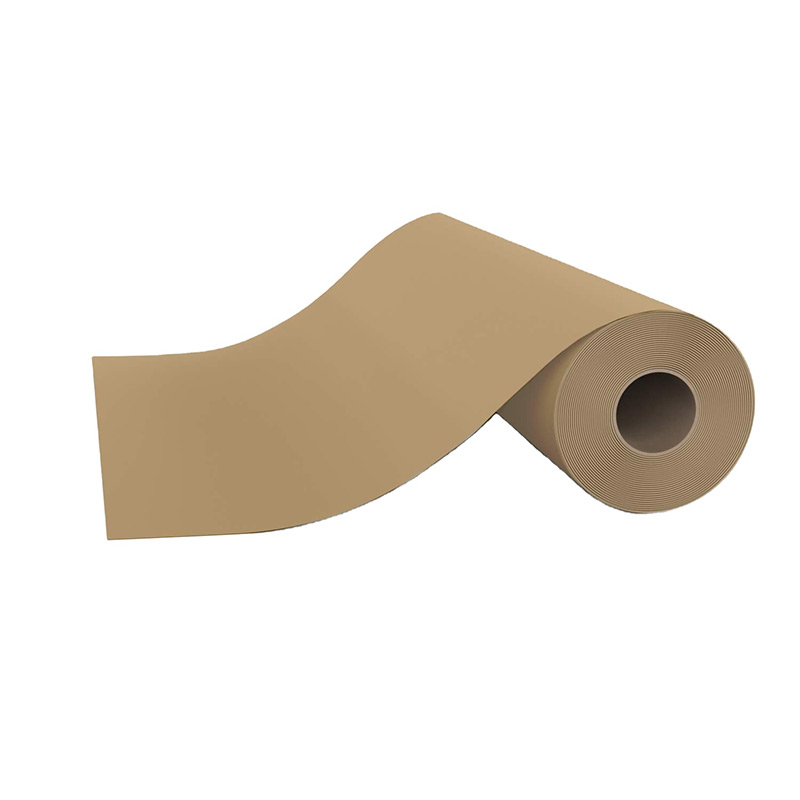
Non-woodpulp Paper is no longer a niche product. It is actively used in multiple industries:
Packaging: Biodegradable food boxes, bags, and containers
Stationery: Notebooks, envelopes, and art paper
Printing and Publishing: Books, magazines with eco-conscious branding
Labeling and Tags: Clothing labels, eco-tags
Paper Crafts and Luxury Goods: Invitations, premium wrapping paper
Stone paper is a revolutionary form of Non-woodpulp Paper made from calcium carbonate (limestone) bonded with resin. It's waterproof, tear-resistant, and tree-free. Major brands are now using it for packaging and labels, especially where water resistance and durability are crucial.
The future of Non-woodpulp Paper is driven by innovation. Here are some recent developments:
Enzymatic pulping to reduce chemical use and pollution
Nanocellulose technology from agricultural fibers to create ultra-light, strong paper
3D printable paper composites for sustainable construction applications
Blockchain-traceable supply chains for verifying paper origin and sustainability
As governments and consumers demand eco-responsibility, expect to see Non-woodpulp Paper at the forefront of innovation in the paper industry.
A lifecycle assessment of Non-woodpulp Paper production shows:
50–75% reduction in greenhouse gas emissions
40–60% reduction in water consumption
20–40% lower energy consumption depending on the source material
Nearly zero deforestation impact
These numbers reflect the significant advantage of transitioning from traditional wood-based paper.
Non-woodpulp Paper is made from alternative materials such as bamboo, hemp, bagasse, cotton linters, kenaf, recycled paper, and stone powder.
Yes. Most types of Non-woodpulp Paper are recyclable. Some variants, like stone paper, can also be downcycled into construction materials.
Currently, Non-woodpulp Paper can be slightly more expensive due to smaller scale production. However, prices are decreasing as technology improves and demand increases.
While Non-woodpulp Paper has great potential, it may not yet replace all types of paper, especially those requiring specific mechanical or chemical properties. However, for packaging, stationery, and publishing, it's an excellent alternative.
Yes, many countries offer incentives for sustainable materials, including tax rebates, subsidies, and certification programs to promote the adoption of Non-woodpulp Paper.
Yes, paper can absolutely be manufactured without using wood pulp. In fact, Non-woodpulp Paper offers a forward-thinking, sustainable alternative to traditional methods that strain our forests and ecosystems. From bamboo to stone powder, a wide variety of materials can be used to create high-quality paper products that meet commercial and environmental needs alike.
With regulatory pressures, consumer demand, and technological advances aligning, the rise of Non-woodpulp Paper is more than a trend—it’s a transformational shift. Businesses that embrace this change will not only reduce their environmental footprint but also align with modern values and marketplace expectations.


