
- All
- Product Name
- Product Keyword
- Product Model
- Product Summary
- Product Description
- Multi Field Search
English
Views: 0 Author: Site Editor Publish Time: 2025-09-16 Origin: Site

The holiday season has always symbolized warmth, creativity, and meaningful connections, and in 2025 the Christmas cardstock market is evolving to reflect not only festive cheer but also the growing importance of sustainability and individuality. Shoppers are moving away from generic, mass-produced cardstock and instead seeking eco-friendly and customizable options that align with their lifestyle choices and creative visions. Traditional cardstock often involves high energy consumption, chemical dyes, and non-recyclable coatings, but now materials such as recycled paper, FSC-certified sheets, sugarcane pulp paper, and biodegradable finishes are gaining popularity. These choices reduce environmental impact while resonating with buyers who want their Christmas crafts to reflect responsible living.
At the same time, personalization is driving demand as consumers look for cardstock with distinctive textures, metallic or glitter finishes, and custom sizes or patterns. The rise of DIY culture and digital cutting machines has made it easier than ever to create professional-quality cards, gift tags, and crafts at home. By combining eco-friendly materials with a wide range of customization options, the Christmas cardstock market in 2025 is more diverse, creative, and future-ready than ever before.
Choosing the right Christmas cardstock is not just about looks—it also affects durability, sustainability, and the overall festive appeal of your holiday cards. Below are some of the most popular cardstock materials in 2025, each with unique advantages:
Wood pulp cardstock is the classic option for Christmas cards. It is smooth, versatile, and widely available in different weights and finishes.
Advantages: Affordable, easy to print on, compatible with most crafting machines.
Best For: Traditional Christmas cards, bulk printing, and family holiday greetings.
Sugarcane pulp, also called bagasse paper, is made from the natural byproduct of sugarcane processing. This eco-friendly material is gaining popularity among sustainable brands.
Advantages: Renewable, biodegradable, and environmentally responsible.
Best For: Eco-friendly Christmas cards, green product packaging, and environmentally conscious businesses.
Kraft cardstock is known for its rustic and natural appearance, often with a warm brown tone. It is strong and recyclable, giving holiday cards a handmade feel.
Advantages: Durable, recyclable, gives a vintage look.
Best For: Minimalist Christmas cards, rustic holiday themes, DIY crafts, and handmade tags.
Pearlescent cardstock, also called shimmer paper, has a delicate shine that adds elegance to holiday greetings. Its subtle reflective quality creates a festive and luxurious impression.
Advantages: Beautiful shimmer finish, wide color choices, premium look.
Best For: Luxury holiday cards, wedding invitations during Christmas season, and decorative craft projects.
Metallic cardstock features a bold, reflective surface in colors like gold, silver, and bronze. It stands out instantly and gives cards a striking festive effect.
Advantages: Eye-catching, strong, ideal for statement designs.
Best For: Premium Christmas cards, party invitations, luxury brand packaging, and sparkling crafts.
When selecting Christmas cardstock in 2025, buyers should evaluate more than just color and design. Practical factors like paper weight, texture, certifications, and customization options can make a big difference in both crafting and professional applications. Below are the main considerations:
The weight of cardstock, measured in grams per square meter (gsm), directly impacts durability and usability.
120–200gsm: Lightweight, suitable for folding cards, envelopes, and layering projects.
200–280gsm: Medium weight, balances flexibility and sturdiness, ideal for greeting cards and scrapbook pages.
300–350gsm: Heavyweight, offers maximum durability and a premium feel, perfect for luxury cards and professional printing.
Tip: For standard DIY Christmas cards, 250–300gsm is often the most practical choice.
The texture of the cardstock influences both aesthetics and printing results.
Smooth Finish: Best for digital and offset printing, ensures crisp images and clean ink absorption.
Textured Finish (linen, embossed, or fiber-rich): Adds a tactile element, enhances handmade or vintage-style Christmas cards.
Shimmer & Metallic Coatings: Provide festive shine, suitable for luxury or decorative designs.
With sustainability becoming a priority in 2025, many businesses and individuals prefer eco-certified paper.
FSC Certification: Ensures the cardstock comes from responsibly managed forests.
Recycled Content: Reduces environmental impact while maintaining quality.
Biodegradable & Compostable Options (e.g., sugarcane pulp): Align with eco-conscious holiday branding and green initiatives.
Christmas cardstock buyers often require flexibility to suit unique projects.
Custom Sizes: Ranging from A6 greeting cards to oversized displays.
Custom Weight Range (120–350gsm): Matches specific design needs.
Pattern Printing: Snowflakes, bells, Christmas trees, or brand logos.
Color Options: Classic red, green, kraft brown, or metallic finishes.
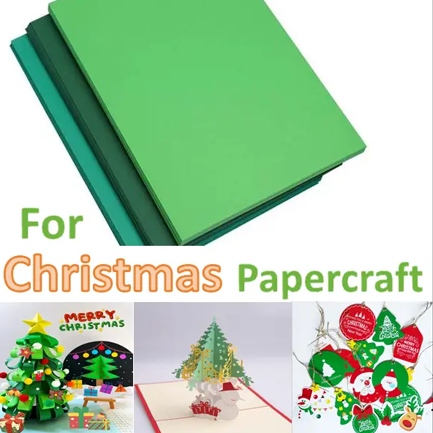
Color and design trends for Christmas cardstock in 2025 continue to highlight both classic traditions and modern personalization. Buyers and crafters are blending timeless festive tones with creative patterns to capture the holiday spirit in unique ways.
Classic Red: Symbolizes warmth, love, and the spirit of Santa Claus. Perfect for bold card fronts, poinsettia decorations, and statement accents.
Forest Green: Represents renewal, pine trees, and natural beauty. Works beautifully for eco-friendly or rustic-inspired designs.
Kraft Brown: A vintage and sustainable choice that conveys simplicity and authenticity. Often used for gift tags, minimalist cards, and eco-conscious branding.
Why They Matter: These three shades remain the backbone of Christmas cardstock because they evoke instant festive recognition and are versatile for both DIY crafts and professional printing.
Beyond solid colors, 2025 trends emphasize patterned cardstocks that add personality and charm.
Snowflakes: Delicate designs for a winter wonderland effect, especially popular for elegant or luxury Christmas cards.
Bells: Symbolize celebration and joy, great for cheerful, family-friendly holiday greetings.
Christmas Trees: Universally recognized holiday icon, often used for both playful and sophisticated card layouts.
Customization Insight: Many suppliers, such as Fu Te Lai Papers Co., Ltd., now offer custom printing services, allowing customers to request unique patterns, brand logos, or mixed motifs for their Christmas projects.
The biggest trend in 2025 is mix-and-match creativity:
Red with snowflake embossing for luxury cards.
Green with metallic bell prints for modern branding.
Kraft brown with hand-drawn Christmas tree motifs for rustic, eco-friendly themes.
This flexibility ensures that cardstock can be tailored to different target audiences, whether it's luxury retail brands, eco-conscious businesses, or DIY craft enthusiasts.
Different types of Christmas cardstock serve unique purposes. Choosing the right material ensures that your holiday cards and crafts not only look stunning but also meet the needs of your target audience.
For hobbyists and craft lovers, cardstock is the foundation of personal holiday creativity.
Wood Pulp Paper: Smooth and easy to cut, perfect for origami-style Christmas stars or layered card designs.
Pearl or Glitter Cardstock: Adds shimmer and elegance, ideal for festive DIY cards or holiday scrapbooks.
DIY enthusiasts prefer cardstock that is easy to handle, offers consistent print results, and provides durability for handmade projects.
Businesses use Christmas cards as a subtle yet effective way to connect with clients, partners, and employees.
Metallic Paper: Creates a premium, luxurious impression for executive holiday cards.
Pearl Cardstock: Enhances elegance and professionalism, often paired with embossed logos.
Customized Patterns (Snowflakes, Bells, Christmas Trees): Perfect for branded messaging and seasonal promotions.
Using branded cardstock cards makes corporate gifts more memorable and strengthens long-term relationships.
Retailers and e-commerce brands often incorporate holiday cardstock into packaging and promotions.
Red and Green Cardstock: Instantly recognizable Christmas colors that enhance festive product displays.
Kraft Brown with Custom Printing: Perfect for sustainable, eco-conscious branding campaigns.
Glitter or Metallic Finishes: Attract customers' attention in competitive holiday markets.
Well-chosen cardstock not only conveys brand values but also elevates seasonal campaigns.
Christmas crafts are a fun way for children to learn, play, and express creativity.
Sugarcane Pulp Paper: Eco-friendly, biodegradable, and safe for kids' use.
Lightweight Cardstock (120–200gsm): Easy for children to cut and fold.
Bright Colors with Festive Patterns: Keeps kids engaged while sparking imagination.
Schools, community centers, and family workshops often prefer safe, eco-certified cardstock for Christmas activities.
Christmas cardstock in 2025 is more than paper—it's a tool for creativity, branding, and sustainability. From DIY crafts and family workshops to corporate gifts and promotional projects, each type of cardstock offers unique advantages in weight, texture, and eco-certifications. Choosing the right material ensures vibrant designs, lasting quality, and environmentally responsible results. Fu Te Lai Papers Co., Ltd. provides premium Christmas cardstock with customizable sizes, patterns, and finishes, supporting both creative and professional applications. For standout holiday projects that combine festive charm with modern values, Fu Te Lai is a trusted partner for high-quality cardstock solutions.


