
- All
- Product Name
- Product Keyword
- Product Model
- Product Summary
- Product Description
- Multi Field Search
English
Views: 0 Author: Site Editor Publish Time: 2025-08-21 Origin: Site

Have you ever wondered how paper is made from bamboo? It’s a sustainable process that has been used for centuries. Bamboo offers unique advantages, such as being eco-friendly and versatile for producing paper pulp.In this post, you’ll learn the step-by-step process of making paper pulpfrom bamboo. We’ll also explore the benefits of using bamboo for paper production.
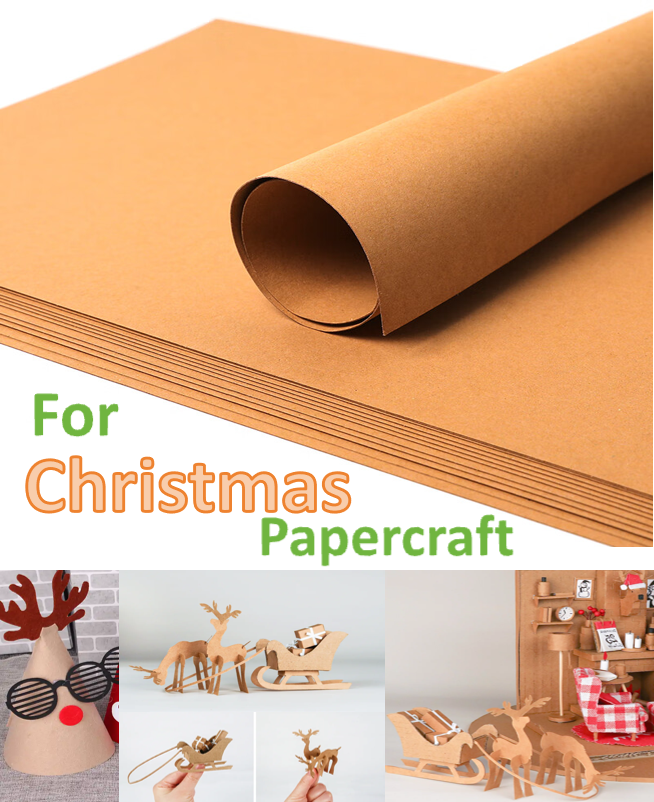
Making paper pulp from bamboo requires specific tools and materials. Here’s what you’ll need:
Bamboo sheaths are the outer coverings of bamboo canes. They're ideal for making paper pulp due to their fiber structure. You can find them during the spring or early summer when they're fresh and strong. Collect them from mature bamboo groves and cut them into small pieces (about 1-2 inches). The sheaths will need to be processed before use.
Soda ash plays a key role in the pulping process. It helps break down bamboo fibers, making them easier to separate. Dissolve soda ash in water and boil the bamboo sheaths in the solution for 2-3 hours. The chemical reaction softens the fibers, preparing them for further processing.
You’ll need a few other tools:
Containers: Large enough to hold the bamboo and the chemical solution.
Rubber gloves and safety goggles: Always wear safety gear while handling chemicals.
Mold and Deckle: These frames help form the paper sheets.
Blender: Used to beat the fibers into a pulp consistency.
Felt: Helps with the drying process and transferring the paper.
Be cautious when using chemicals like soda ash. Always wear gloves and goggles to avoid irritation. Ensure proper ventilation and never leave chemicals unattended. Follow all safety instructions for a smooth paper-making process.
Making bamboo pulp involves several key steps. Let’s break down the process:
Selecting the Right Bamboo Stalks: Choose mature bamboo that is strong and thick. The stalks should be free from damage and disease for optimal pulp quality.
Cutting and Preparing Bamboo: Use a saw to cut the bamboo into smaller sections. These pieces will be easier to soak and process.
Soaking and Lime Solution: Soak the bamboo pieces in water to soften the fibers. A lime solution is often added to help break down the bamboo’s tough fibers. This step makes the fibers easier to separate.
Pounding or Crushing Bamboo: Traditional methods involve pounding the bamboo with a mallet, while industrial processes use machines for crushing. Both methods aim to break the bamboo into a mushy mass of fibers.
Mechanical Digestion: In industrial settings, pulp digesters are used with chemicals, such as the kraft process, to chemically break down the bamboo into pulp.
Screening: After pulping, the pulp is passed through a screen to remove any remaining unwanted chunks or impurities.
Washing: Washing the pulp is essential to remove any leftover chemicals or debris. It’s done by running the pulp through water several times until it is clean and ready for the next step.
Mixing with Water: After washing, the pulp is mixed with water to form a slurry. The water helps make the pulp easier to handle and form into sheets.
Beating the Fibers: This optional step helps break down the fibers further, improving the texture and strength of the paper. Use a blender or other tools to beat the pulp to the desired consistency.
The process may vary depending on the scale, but these are the basic steps to create bamboo pulp.
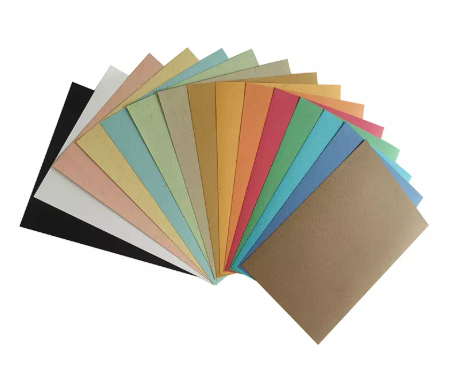
When making bamboo paper, two essential tools are the mold and deckle. These tools help shape the pulp into paper sheets and ensure an even texture.
Mold: The mold is a frame, usually made of wood, with a fine mesh screen stretched across it. This screen allows water to drain out, leaving behind the pulp fibers.
Deckle: The deckle is another frame that sits on top of the mold. It controls the size and shape of the paper, keeping the pulp contained as it drains.
Together, the mold and deckle are used to form sheets of paper by dipping them into the pulp slurry. The deckle helps to maintain a consistent thickness across each sheet.
Making your own mold and deckle is simple. You’ll need wood strips, a screen (such as fiberglass mesh), and a few basic tools like a hammer and nails. Cut the wood into strips to form the frame, then attach the mesh tightly across the mold. The deckle should be the same size as the mold but without the mesh.
Alternatively, you can buy pre-made molds and deckles at art supply stores or online. They come in various sizes to fit different paper-making projects.
Making bamboo paper at home is a rewarding but detailed process. Here's how to do it step-by-step:
Bamboo sheaths are perfect for making paper pulp. They have a texture similar to dry corn husks, making them ideal for pulp production. To get started:
Collect: Bamboo sheaths drop from bamboo canes in the spring or summer. Look for fresh, sturdy sheaths.
Cut: Cut them into small pieces (1-2 inches) for easy processing.
Prepare: Soak the sheaths in water to soften them before boiling.
The next step is boiling the bamboo fibers to break them down. Soda ash is added to the water to help separate the fibers.
Role of Soda Ash: Soda ash helps break the bamboo’s tough fibers, making it easier to process them into pulp.
Simmering Time: Simmer the bamboo sheaths for about 2-3 hours, stirring occasionally to ensure even boiling. Once the fibers separate easily, the boiling is done.
Beating the bamboo fibers is essential for creating the right pulp consistency.
Using a Blender: Fill your blender with water and pulp. Blend the mixture for about 10 seconds, starting on low speed and gradually increasing.
Optimal Speed and Duration: A short burst at medium speed is enough to break down the fibers and create a smooth pulp. Don’t overdo it!
The next step involves forming the paper using a mold and deckle.
Mold and Deckle Process: Dip the mold and deckle into the slurry of bamboo pulp. Lift them out smoothly, allowing the water to drain and leaving behind a layer of pulp.
Consistency Tips: Shake the mold gently to even out the fibers. This helps ensure your paper will have a uniform thickness.
Once you’ve formed the paper, it's time to transfer and dry it.
Couching: Place a felt cloth on a flat surface, then gently transfer the wet sheet of paper from the mold. Press it down, making sure it’s flat.
Drying Methods: You can dry the paper in two ways:
On Glass: For a smooth finish, press the paper onto a glass surface using a rolling pin.
On Felt: For a textured finish, let the paper dry on felt. Stack multiple sheets with felt in between, pressing them gently.
Let the paper dry fully before removing it from the felt or glass. After drying, you’ll have beautiful homemade bamboo paper!
Making bamboo paper is a fun and creative process, but you may face a few issues along the way. Here’s how to solve some common problems:
Sometimes, the pulp can be too thick or too thin, which affects the paper-making process.
Adjusting the Water-to-Pulp Ratio: If the pulp is too thick, simply add more water to loosen it up. If it’s too thin, add more pulp to thicken it. You want a consistency that is thick but still pourable.
Fixing Overly Thick Pulp: If the pulp is too thick, add small amounts of water at a time, mixing well after each addition.
Fixing Overly Thin Pulp: If it’s too thin, add more bamboo pulp, blending until you get the right consistency.
Drying is a critical part of paper-making, and issues can arise during this phase.
Common Causes of Drying Problems: If your paper is too wet, it may not dry properly. This can happen if the pulp isn’t pressed enough, leaving excess moisture trapped in the paper.
Proper Pressing: Ensure the paper is pressed adequately before drying. Using heavy weights or a press will help remove excess water.
Drying Techniques: If you're drying on glass for smoothness, make sure the paper is evenly pressed to avoid uneven drying. If drying on felt, stack the sheets and let them dry slowly to prevent wrinkles and texture issues.
By adjusting the pulp consistency and using proper drying methods, you can avoid these common problems.
Bamboo is quickly becoming a popular choice for paper production. Here’s why:
Sustainability: Bamboo grows rapidly, making it a sustainable resource for paper production. Unlike traditional trees, bamboo can be harvested in just a few years, reducing deforestation and environmental impact. It also absorbs more carbon dioxide than many trees, helping combat climate change.
Strength and Durability: Bamboo pulp creates paper that is both strong and durable. The fibers are naturally tough, giving the paper resilience, making it ideal for high-quality products like notebooks and packaging materials.
Comparisons with Traditional Wood Pulp: Bamboo pulp has several advantages over traditional wood pulp. It requires less water and fewer chemicals for processing. Bamboo also grows faster and can be harvested more frequently, making it a more renewable option compared to slower-growing trees used in conventional paper-making.
Bamboo paper is not just eco-friendly, but it also has a wide range of uses in various fields. Here’s how you can apply it:
Artistic and Craft Uses: Handmade bamboo paper adds a unique touch to any art project. It’s perfect for sketching, painting, and calligraphy. Artists love it for its texture, which enhances the finished piece. It’s also great for DIY crafts, such as scrapbooking or card-making, providing a natural, rustic feel.
Commercial Uses: Bamboo paper has found a place in commercial applications too. It’s used in eco-friendly packaging, providing a sustainable alternative to traditional materials. It’s also popular in printing, especially for businesses looking to promote green practices. Beyond that, bamboo paper is being explored for creating sustainable products like notebooks, envelopes, and stationary, all while helping reduce environmental impact.
Making paper pulp from bamboo is a simple, sustainable process. It involves harvesting bamboo, boiling the fibers, and using a mold to form sheets.
We encourage you to try making bamboo paper at home. It’s a fun and eco-friendly craft that helps reduce waste.
Bamboo paper is not only strong and durable but also an excellent sustainable alternative to traditional paper.
A: Not all bamboo types are suitable for paper-making. The best types are mature, sturdy bamboo canes, which provide strong fibers for pulp production.
A: The process typically takes several hours to a few days. It involves collecting, boiling, and drying the bamboo pulp, which can take 1-2 days depending on drying methods.
A: Yes, bamboo paper is a sustainable alternative. Bamboo grows quickly, requiring fewer resources and causing less environmental damage compared to traditional wood-based paper.


