
- All
- Product Name
- Product Keyword
- Product Model
- Product Summary
- Product Description
- Multi Field Search
English
Views: 0 Author: Site Editor Publish Time: 2026-03-26 Origin: Site
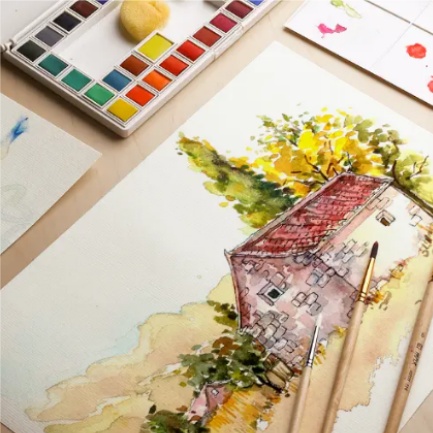
If you’ve ever finished a beautiful piece of alcohol ink art and then hesitated before touching it, you already understand the sealing problem. Alcohol ink can create rich gradients, bright blooms, and crisp details—but once the ink is dry, the surface can still be sensitive to abrasion, moisture, and even fingerprints depending on the substrate and ink saturation. That’s why artists often ask the same question after the final stroke: How do I seal alcohol ink art so it stays looking the way I intended? The answer depends on the surface you used, your desired finish (gloss, satin, matte), and how the artwork will be displayed or handled.
From our perspective at Fu Te Lai Papers Co., Ltd., the best sealing outcome starts earlier than most people think: it starts with using the right alcohol ink paper and understanding how ink interacts with that surface. A paper’s coating, absorbency, and smoothness influence not only how the art looks—but also how sealers bond, how colors shift, and how resistant the final piece becomes. In this guide, we’ll walk through practical sealing methods, when to choose each one, how to prevent color bleeding, and how to protect your artwork for long-term display or sale.
Alcohol ink is formulated to move quickly and blend easily. That’s what makes it exciting to use. But that movement also means:
the ink layer can be reactivated by certain solvents
the color layer may scratch more easily than painted acrylic surfaces
some finishes can shift color or dull contrast if applied incorrectly
paper-based surfaces can react differently than synthetic surfaces
A sealer helps by adding:
surface protection against scuffs and handling
a barrier against light moisture and dust
improved uniformity of sheen (gloss/satin/matte)
better stability for framing and display
Before sealing, it’s important to recognize that alcohol ink behaves very differently depending on the substrate. The surface you choose affects not only how the colors move and bloom, but also how a sealer bonds, how likely the ink is to reactivate, and whether the final finish looks even or patchy.
Alcohol ink paper is typically made with a special coating designed to manage ink flow. It helps inks spread smoothly without soaking too deeply into the fibers, which supports cleaner edges, controlled blends, and more consistent results. Because the coating creates a more stable surface, sealers often apply more predictably, with less risk of uneven absorption or sudden dull spots.
Yupo-style synthetic surfaces (and other non-porous synthetic papers) tend to hold ink more on the top. This can create strong color movement and dramatic bloom effects, but it can also make sealing more sensitive—some finishes can disturb or shift ink if applied too heavily.
Uncoated paper absorbs quickly and unevenly. Colors may look flatter, blooms may be less defined, and sealers can soak in unpredictably, sometimes creating blotchy sheen. For reliable sealing and repeatable finishing, coated alcohol ink paper is often the most forgiving starting point.
This step is overlooked often. Even if your alcohol ink looks “dry,” it’s smart to allow time for full stabilization.
allow the artwork to rest flat
keep it away from dust while it cures
avoid touching the surface
make sure the room is ventilated
A good baseline is to wait several hours or overnight before applying sealers—especially for heavily saturated pieces.
There are several sealing approaches artists use. The best choice depends on whether you want a spray, a brush-on finish, or a protective topcoat.
Spray sealers are commonly used because they can be applied lightly in thin layers. This helps reduce ink movement.
Typical benefits:
less physical disturbance than brushing
thin layering reduces risk of reactivating ink
good for maintaining detail edges
Key technique:
multiple light coats are safer than one heavy coat
Some artists use varnish-style topcoats for stronger protection, especially if the artwork will be handled frequently.
Considerations:
some liquid finishes can reactivate alcohol ink if applied heavily
testing on a sample piece is important
a protective spray barrier layer first can improve results
High gloss resin finishes are used when artists want a deep, glass-like appearance.
Benefits:
strong surface protection
high gloss “depth” effect
Considerations:
more complex handling
potential for trapped bubbles or surface imperfections
requires careful leveling and dust control
To reduce the risk of color movement and surface damage, many artists use a layered approach.
Use a gentle blower or soft brush to remove dust. Avoid wiping the ink surface aggressively.
Use a light spray coat from a proper distance. The goal is a thin mist, not wet coverage.
Let each coat dry fully before adding another. Rushing is one of the biggest causes of tackiness or clouding.
Apply several light coats rather than one heavy coat. This reduces solvent contact with ink.
Once the art is locked in, you can decide whether to keep a spray finish or apply a stronger topcoat system.
Step | What to Do | Why It Matters |
Surface prep | remove dust gently | avoids trapped debris |
Barrier coat | light spray layer | reduces ink reactivation |
Dry time | wait between coats | prevents tackiness |
Build coats | multiple thin layers | stronger protection, less risk |
Final finish | gloss/satin/matte choice | matches display style |
The most common sealing problem is that colors shift, smear, or dull. This usually happens due to:
applying sealer too heavily in one coat
spraying too close (wetting the surface)
using a sealer that reactivates the ink
brushing a liquid finish directly on unsealed ink
sealing before the piece has stabilized
always start with a light barrier spray
keep coats thin and let them dry
test your process on a small sample
avoid heavy brush pressure on early layers
Different finishes change how alcohol ink art looks.
brighter color appearance
more depth and contrast
highlights reflective bloom effects
balanced look
less reflection than gloss
still maintains color richness
reduces glare
can slightly soften color intensity
often preferred for gallery lighting control
Finish Type | Best For | Visual Effect |
Gloss | vibrant display pieces | strong color depth |
Satin | most general artwork | balanced sheen |
Matte | glare control | softer surface look |
Even after sealing, proper display helps protect artwork.
keep art away from direct sun exposure
frame behind protective glazing if possible
avoid high humidity storage
use backing support to keep paper flat
handle with clean hands or gloves
Sealing protects the surface, but good framing protects the entire piece long-term.
In real use, the substrate is often the difference between a clean seal and a frustrating one. High-quality alcohol ink paper is designed to:
support controlled ink movement
reduce excessive absorption
maintain sharpness and bloom effects
provide a surface that accepts sealing more predictably
When the base paper is consistent, sealing becomes more repeatable and less risky.
Learning how to seal alcohol ink art is about protecting both appearance and effort. The safest approach is to let the artwork stabilize, remove dust gently, apply a light barrier coat first, and build protection through multiple thin layers rather than heavy wet coats. Once the ink is locked in, you can choose a gloss, satin, or matte finish based on how you want the colors and contrast to look. The right sealing method helps reduce scratching, handling marks, and unwanted color change—especially when your artwork is created on quality alcohol ink paper designed for consistent performance.
At Fu Te Lai Papers Co., Ltd., we work with customers who need alcohol ink paper that supports clean detail, controlled movement, and reliable finishing results. If you’d like to learn more about alcohol ink paper options for different art styles, sealing needs, and production preferences, you are welcome to contact Fu Te Lai Papers Co., Ltd. for more information.
A light spray barrier coat is commonly used to help lock the ink layer before applying heavier protection.
Multiple thin coats are usually safer than one thick coat. Many artists build protection gradually for better stability.
This often happens when the sealer is applied too wet, sprayed too close, or when a liquid finish is brushed directly onto unsealed ink.
Yes. High-quality alcohol ink paper with a suitable coating often produces more predictable sealing behavior and helps maintain artwork clarity.


