
- All
- Product Name
- Product Keyword
- Product Model
- Product Summary
- Product Description
- Multi Field Search
English
Views: 220 Author: Site Editor Publish Time: 2025-06-17 Origin: Site
Origami, the ancient Japanese art of paper folding, requires not just creativity but also precise material choices. One of the most commonly asked questions by beginners and even intermediate folders is: "Is origami paper thinner than printer paper?" This seemingly simple question opens up a world of technical details that are critical to mastering the craft. Paper thickness, weight, flexibility, and finish are all essential variables that influence the final outcome of a folded model. In this article, we’ll examine the physical and mechanical differences between origami paper and standard printer paper, their applications, and why thickness matters more than you might initially assume.
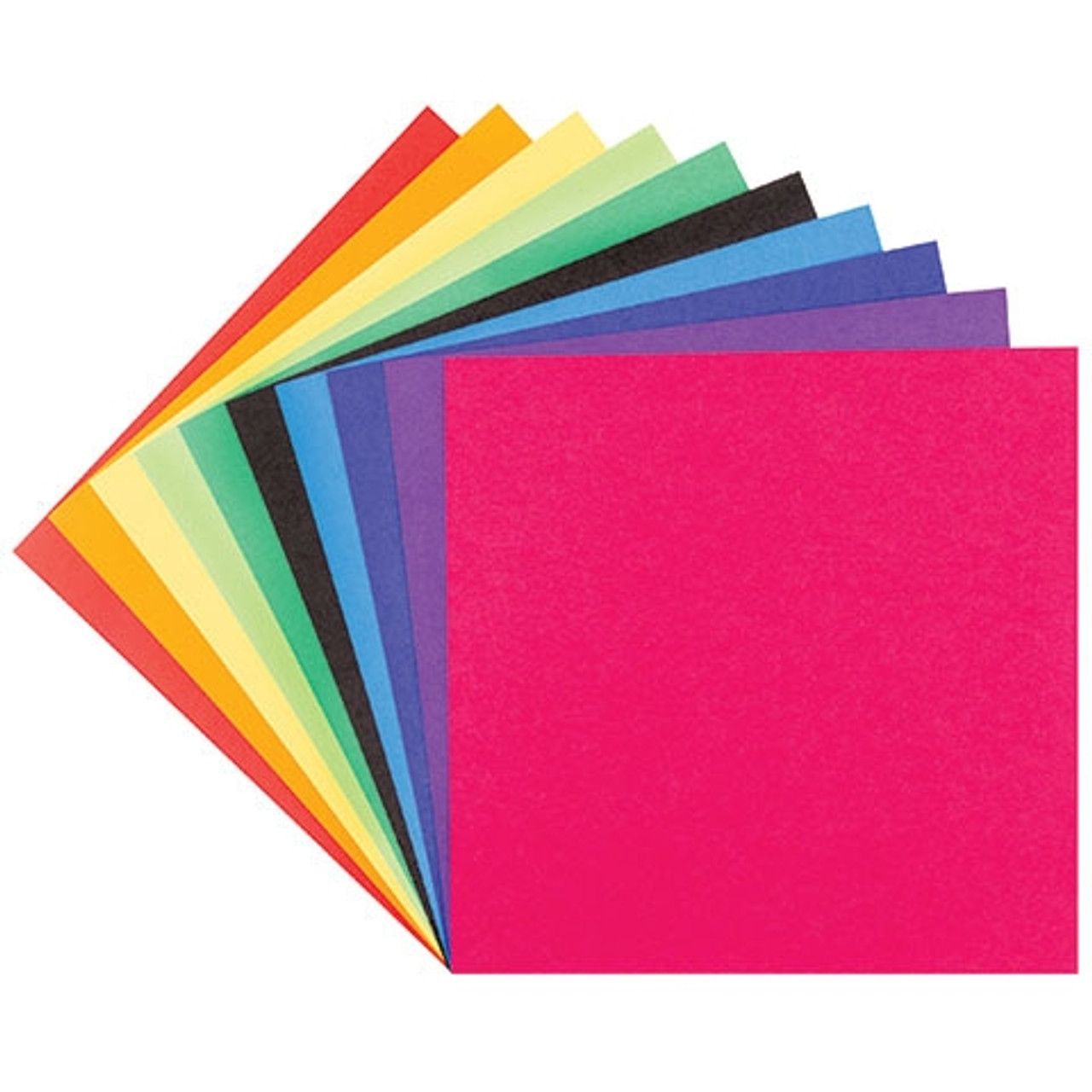
Origami paper, also known as kami, is specially manufactured for folding purposes. Unlike regular paper, it is often thinner, more flexible, and square-shaped, typically measuring 6 inches by 6 inches (15cm x 15cm). It’s available in a wide variety of colors and patterns, including metallic finishes and gradient hues.
What sets origami paper apart is its lightweight nature. Most origami papers range between 60–80 GSM (grams per square meter), which makes them much thinner than standard printer paper. The reduced thickness is intentional—it allows for more intricate folds without creating bulk or tearing the paper. This feature becomes crucial when folding complex models like dragons, flowers, or modular structures.
Another defining characteristic is that origami paper often has one colored side and one white side, helping folders keep track of the orientation during complex designs. This functional design adds visual contrast, which is essential in layered compositions or when performing reverse folds.
Printer paper is a completely different material in terms of engineering and purpose. It’s designed for ink absorption, durability, and smooth feeding through printers and copiers. The standard weight of printer paper is approximately 75–100 GSM, with the most common being 80 GSM in the U.S. and many other countries.
Unlike origami paper, printer paper is almost always rectangular (usually 8.5 x 11 inches in the U.S. or A4 in other regions) and double-sided with the same finish on both surfaces. It is designed to be more rigid to handle printing processes and to prevent ink bleeding or paper jamming.
This extra weight and stiffness, while perfect for text documents or flyers, make printer paper less suitable for intricate folds or detailed origami work. Complex folds create tension points that often lead to tearing or incomplete creases when printer paper is used.
Here’s a clear breakdown comparing the two types of paper:
| Feature | Origami Paper | Printer Paper |
|---|---|---|
| GSM (Thickness) | 60–80 GSM | 75–100 GSM |
| Typical Shape | Square | Rectangular |
| Surface Finish | Colored or patterned on one side | Uniform on both sides |
| Flexibility | High | Medium |
| Ink Absorption | Moderate | High |
| Fold Durability | High for complex folds | Lower for intricate folds |
| Purpose | Art/Folding | Printing/Writing |
As this table illustrates, origami paper is generally thinner and more flexible than printer paper, specifically engineered for folding precision rather than printing quality.
At the heart of every successful origami piece is the concept of precise geometry and minimal bulk. When a paper is too thick, layers quickly add up during folds, resulting in lopsided or unmanageable structures. For instance, creating a lotus flower with printer paper will likely result in bulky petals that don’t hold their shape or lay flat.
Thinner paper also provides better crease memory, meaning the folds stay in place and are easier to manipulate. In contrast, thicker printer paper tends to resist folds, creating tension that can lead to cracking or springing open.
When creating modular origami—where multiple sheets are used to form a single object—the paper's thickness becomes even more critical. Using printer paper for such designs may cause pieces not to fit together properly or lead to tearing at the connection points.
Yes, for basic models such as cranes, boats, or airplanes, printer paper can suffice—especially if it’s the only material available. In such cases, it’s advisable to cut it into a square shape and avoid overly intricate folds.
Some folders try techniques like moistening or sanding printer paper to reduce thickness, but this often damages the structural integrity of the sheet. It’s generally not recommended unless done for experimental purposes.
Yes, lightweight printer paper around 70 GSM or recycled paper types can be slightly more forgiving when used for simple folds. However, they still won’t match the performance of true origami paper.
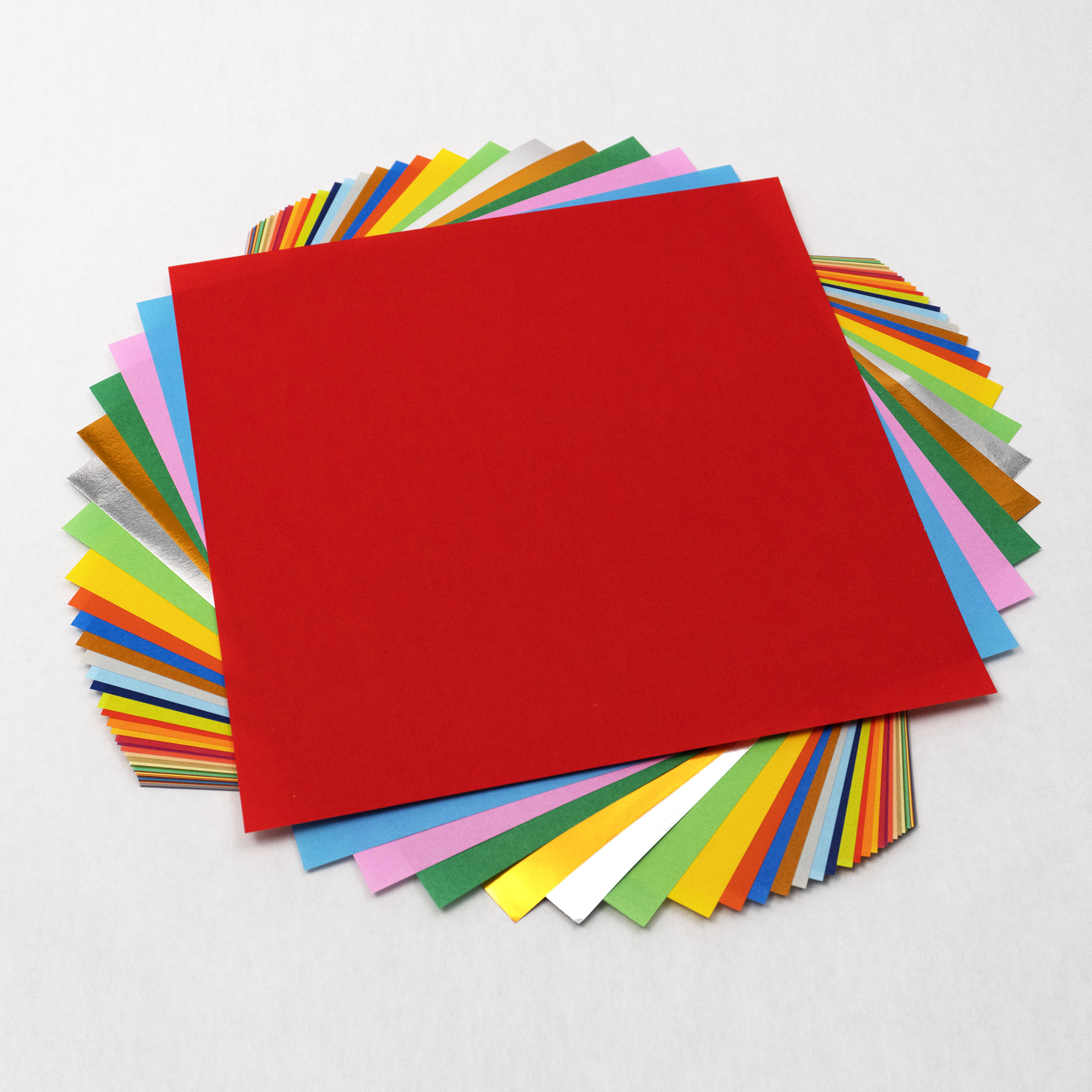
When exploring high-level origami designs, such as tessellations, modular builds, or animal forms with fine details like toes, wings, and facial features, the margin for error becomes razor thin. At this stage, the choice of paper can make or break your project.
Printer paper introduces limitations: it doesn't curve well, it resists fine manipulation, and it lacks the aesthetic variety needed for artistic display. By contrast, origami paper supports complex fold sequences without bulking up the model or losing structural integrity. Some folders even switch to washi or foil-backed origami paper for extreme designs, but again, these remain much thinner than typical printer paper.
Thus, origami paper isn’t just thinner—it’s smarter, more flexible, and purpose-built for the art form.
So, is origami paper thinner than printer paper? Absolutely—by design, not by accident. Origami paper is meticulously crafted to support the specific mechanical needs of paper folding, offering lightweight flexibility and visual variety that printer paper simply cannot provide. While printer paper might serve you well for office documents, presentations, or even basic folds in a pinch, it falls short when the designs grow complex or the detail level increases.
If you’re serious about origami, investing in the right paper will elevate your work from average to awe-inspiring. Choose thinner, more specialized origami sheets for better results, sharper creases, and a deeper appreciation of the art form.


