
- All
- Product Name
- Product Keyword
- Product Model
- Product Summary
- Product Description
- Multi Field Search
English
Views: 0 Author: Site Editor Publish Time: 2026-03-15 Origin: Site
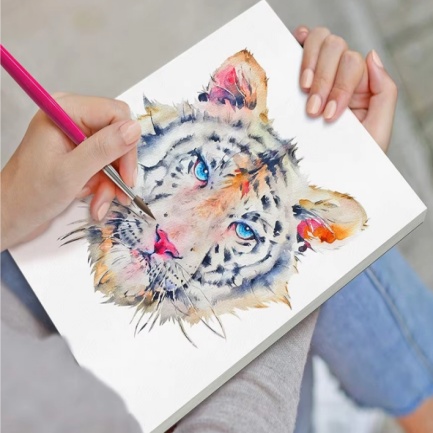
Every watercolor painter eventually meets the same moment: a shadow goes too dark, an edge blooms at the wrong time, or a highlight disappears under a wash that dried faster than expected. In that moment, “lifting” becomes the rescue technique—softening an edge, pulling pigment back, or reopening a highlight. But lifting is not only about brush skill. It is heavily influenced by watercolor paper. Some papers lift cleanly with a damp brush and a gentle blot. Others grab pigment so strongly that the color stains almost immediately, leaving the artist with a dull, damaged patch where the paper surface starts to fuzz. That difference can feel random until you understand what is happening inside the sheet: fiber structure, sizing, surface texture, and how pigment particles settle into the paper.
From our perspective at Fu Te Lai Papers Co., Ltd., lifting performance is one of the most important (and most misunderstood) paper behaviors. Many buyers focus on weight and texture, but for artists who paint with layered washes, corrections, and highlight recovery, the question is more practical: Will this paper let me lift when I need to, or will it stain and lock pigment in place? In this guide, we explain which watercolor papers tend to lift cleanly versus stain, the technical reasons behind those differences, and practical tips to improve lifting results without damaging the surface.
Lifting is the technique of removing or redistributing watercolor pigment after it has already been applied to the paper. Artists use lifting as a practical control tool, especially when a wash goes darker than planned or an edge dries too hard. With the right timing, lifting can soften sharp edges, correct value mistakes, create atmospheric effects like clouds, fog, or mist, pull back highlights (such as sparkle on water, light in hair, or bright reflections), and even shape natural textures like foliage, stone, or weathered surfaces.
Lifting can be done at different stages of drying. While the paint is still wet, pigment moves easily and lifts cleanly with a brush, sponge, or tissue. In the damp stage, lifting becomes more controlled, which is useful for gentle transitions and soft-edged corrections. After the wash dries, lifting is still possible on some papers, but it is harder and depends heavily on the watercolor paper’s sizing, fiber structure, and surface strength. In other words, dry lifting is often less about skill alone—and more about how the paper is made.
100% cotton watercolor paper generally has stronger fibers and better surface resilience. This often means you can lift more aggressively without pilling or surface damage. Cotton also tends to allow pigment to sit more “on the surface” when sizing is well balanced, making controlled lifting easier.
Cellulose (wood pulp) papers can work beautifully, but they may be more prone to surface disturbance if repeatedly scrubbed. Some pulp papers also allow pigment to sink in faster, making staining more likely.
Sizing is the internal and surface treatment that controls water absorption. It determines how fast the paper drinks water—and how deeply pigment travels into the sheet.
Well-sized paper holds pigment closer to the surface longer → often lifts better.
Under-sized or absorbent paper lets pigment sink quickly → stains faster and lifts poorly.
Sizing is why two papers with the same weight can behave completely differently for lifting.
Texture changes how pigment particles settle:
Hot press (smooth): pigment can sit evenly, but staining pigments may sink quickly depending on sizing.
Cold press (medium texture): often a balanced lifting experience.
Rough: pigment collects in valleys; lifting can be uneven if you scrub only the peaks.
Heavier paper (e.g., 300gsm) typically tolerates re-wetting and lifting better than thin sheets because it stays flatter and resists surface breakdown.
While every brand and batch differs, lifting performance usually follows a pattern based on material and sizing.
Paper type | Typical lifting behavior | Why |
100% cotton, well-sized | Lifts cleanly, handles rework | strong fibers + controlled absorption |
Cotton blend with good sizing | Moderately good lifting | decent strength, may stain with some pigments |
Highly absorbent cellulose | Stains quickly, harder to lift | pigment sinks deeper |
Under-sized or student-grade | Lifts poorly, surface may pill | fast absorption + weaker surface |
Heavily textured rough paper | Lifts unevenly | pigment trapped in texture valleys |
This is why many artists prefer well-sized cotton papers for techniques like glazing, lifting highlights, and correcting edges.
Even on the best watercolor paper, pigment type matters.
Staining pigments (many modern, transparent colors) penetrate quickly and resist lifting.
Granulating pigments often sit more on the surface and may lift more easily, but can leave texture patterns.
Opaque pigments may lift differently because they sit on top more.
So lifting performance is a combination of paper + pigment + timing.
If you are evaluating watercolor paper samples, do a simple lifting test:
Paint a mid-tone wash (not too light)
Let half dry and lift while damp with a clean brush and tissue
Let the other half dry completely (10–15 minutes)
Re-wet and attempt a gentle lift
This quick test tells you more than a spec sheet for real painting behavior.
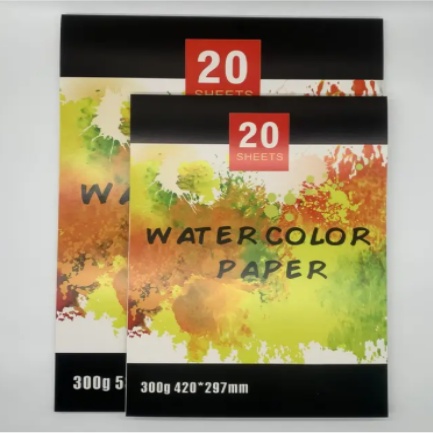
The wet and damp stages lift the cleanest. If you wait until fully dry, you’ll need more friction and risk paper damage.
Start with:
a damp soft brush
a clean sponge
a tissue blot
Avoid hard scrubbing unless the paper is known to tolerate it.
Too much water spreads pigment instead of lifting it. Too little water creates friction and can damage sizing.
Blotting removes lifted pigment without grinding it into fibers.
Repeated lifting while the paper is stressed increases pilling risk. Let the area dry before a second attempt.
Problem | Likely cause | Better approach |
Paper surface fuzzes | weak surface or aggressive scrubbing | lift earlier, use softer tools |
Lifted area looks dull | sizing disrupted or pigment embedded | reduce friction, test pigment type |
Color won’t lift | staining pigment or absorbent paper | use glazing correction instead |
Uneven lift marks | rough texture trapping pigment | use blotting + gentle rewet |
If you rely on lifting for highlights and corrections, prioritize:
stronger sizing and good surface durability
cotton content or cotton-rich blends
heavier weight for repeated re-wetting
cold press for balanced control
If you paint in a single confident pass with minimal corrections, absorbent papers may still work well—and some artists prefer the way they lock in washes.
Lifting is one of watercolor’s most useful control techniques, but success depends strongly on watercolor paper. Papers lift cleanly when they are well-sized, structurally strong, and balanced in absorption—often seen in high-quality cotton sheets. Papers stain when they absorb too quickly, have weaker sizing, or allow pigment to sink deep into fibers. Texture and weight further influence how evenly you can lift and how well the surface survives rework. The most practical approach is to test paper lifting before committing to large quantities, and to match paper behavior to your painting style—especially if you frequently correct values, recover highlights, or soften edges.
At Fu Te Lai Papers Co., Ltd., we work with artists and buyers who evaluate paper not just by appearance, but by real performance in techniques like lifting, glazing, and wet-in-wet control. If you want to learn more about selecting watercolor paper for clean lifting performance and reliable surface strength, you are welcome to contact us for more information and support.
In general, well-sized 100% cotton watercolor paper lifts more cleanly and tolerates reworking better because pigment stays closer to the surface and fibers resist pilling.
Staining happens when pigment sinks into absorbent fibers or when the pigment itself is highly staining. Under-sized or very absorbent papers increase staining.
Not always. Hot press can lift well if sizing is strong, but some pigments can stain quickly on smooth surfaces. Cold press often gives a balanced lifting experience.
Paint a mid-tone wash, lift part while damp and part after dry, then check how much pigment lifts and whether the surface pills or becomes rough.


