
- All
- Product Name
- Product Keyword
- Product Model
- Product Summary
- Product Description
- Multi Field Search
English
Views: 0 Author: Site Editor Publish Time: 2026-02-17 Origin: Site


Mastering oil painting requires a deep understanding of key techniques that influence the outcome of your artwork. Among these techniques, there are three fundamental rules that every oil painter should follow to ensure that their painting is durable, beautiful, and free from common issues like cracking and peeling. These rules are essential for both beginners and experienced artists, as they provide a solid foundation for building successful and long-lasting oil paintings.
When using oil painting paper, these three rules play an even more significant role. The type and quality of the paper you use can greatly affect how the paint behaves, how the layers interact with one another, and the longevity of the artwork. This guide delves into these three critical rules—Fat Over Lean, Thick Over Thin, and Dry Brush—while explaining how they apply to oil painting, especially when working with oil painting paper.
The Fat Over Lean rule is one of the most essential guidelines in oil painting, ensuring that your painting will dry properly and maintain its structural integrity over time. This rule dictates that the first layer of oil paint applied should be lean (containing less oil), while subsequent layers should be progressively fatter (containing more oil). The reason behind this is simple: oil paints dry from the top down, and lean layers dry faster than fat layers. Applying fat layers over lean ones ensures that the painting dries evenly without causing cracks or warping.
Drying Times: Oil painting requires a balance between the layers of paint. If fat layers are applied over lean ones, the top layers will dry more slowly than the underlying layers, causing tension and possibly leading to cracking.
Flexibility: Fat layers remain more flexible, while lean layers dry hard. This flexibility in the upper layers allows for more movement as the painting ages, helping to maintain the overall structural integrity of the painting.
Using Oil Painting Paper: When working on oil painting paper, it's crucial to be aware of the paper's absorbency. Oil painting paper typically has a smooth or textured surface that can absorb paint to varying degrees. For the Fat Over Lean rule, start by applying a thin, lean layer of oil paint, possibly using a medium like turpentine or mineral spirits to thin the paint. As you build up subsequent layers, you can add more oil (fat) to the paint to make the layers thicker, ensuring the paper can support these layers without buckling.
Tips for Layering: It's important to test the paper's reaction to thinner layers first. Apply your first lean layers and let them dry before moving on to thicker, fatter layers. This gives you time to assess how well the oil painting paper handles the different consistencies of paint.
The Thick Over Thin rule is another critical concept in oil painting. It is similar to the Fat Over Lean rule, but it specifically focuses on the consistency and texture of the paint applied to the surface. The rule states that thicker layers of paint should always be applied on top of thinner layers. The reason for this is that the lower layers need to dry first and remain more stable, while thicker layers will take longer to dry and should not be applied on top of thinner, quicker-drying layers.
Paint Stability: Thinner layers dry faster, while thicker layers require more time to set. If you apply thick paint on top of a thin layer, the top layer will take too long to dry, leading to potential issues like buckling or cracking.
Layering Control: By following the Thick Over Thin rule, artists can control how their paint builds up on the surface, ensuring each layer remains structurally sound and appropriately set before moving on to the next.
Using Oil Painting Paper: When painting on oil painting paper, ensure that the surface can handle the gradual buildup of paint. Start with a thin underpainting layer and allow it to dry fully. Once this base layer has set, begin adding thicker layers of paint on top, making sure to gradually increase the paint's thickness as you continue.
Considerations for Artists: The texture of oil painting paper plays a role in how effectively you can apply the Thick Over Thin rule. If the paper is too smooth, thicker paint may have difficulty adhering. A slightly textured or cold-pressed oil painting paper will provide better grip for thicker layers of paint.
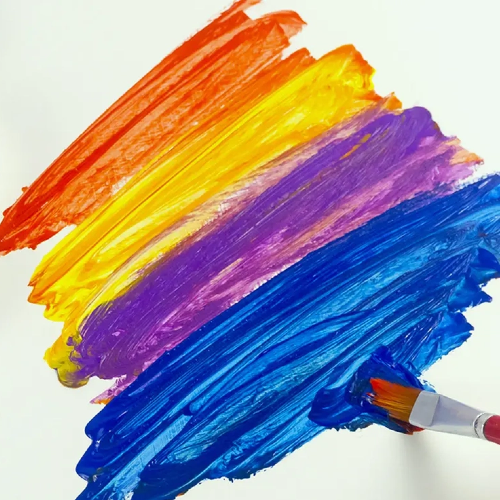
The Dry Brush rule refers to a technique where you use minimal paint on a brush, resulting in a dry, almost scratchy effect. This method allows the artist to control the paint application, creating texture and finer details. The Dry Brush technique is often used in conjunction with the Fat Over Lean and Thick Over Thin rules, allowing for precision in areas that require more attention and detail.
Precision and Texture: The Dry Brush technique is perfect for adding subtle textures or details to an oil painting. By using less paint, you can build up layers of detail without overloading the surface with pigment.
Layering Control: When applying the Dry Brush technique, it allows you to maintain more control over the application of paint. You can achieve finer details and smoother transitions in areas that need more attention, such as highlights or intricate parts of the composition.
Using Oil Painting Paper: The texture of oil painting paper plays a critical role in how well you can execute the Dry Brush technique. The paper's surface will either help or hinder the process depending on its texture. Rougher or cold-pressed oil painting paper works best with this technique, as it allows for more pronounced texture in the final painting.
Tips for Dry Brushing on Oil Painting Paper: To apply the Dry Brush technique effectively on oil painting paper, use a brush with little paint, and lightly drag it across the paper's surface. The texture of the paper will catch the paint, giving a scratchy, detailed look. This method is especially effective for highlights and finer details, where you want the underlying texture of the paper to show through.
The choice of oil painting paper is vital in determining how well these rules can be executed. The absorbency, texture, and weight of the paper impact how the paint behaves, how layers dry, and how easily you can manipulate the paint.
Absorbency and Surface Texture: The absorbency of oil painting paper influences how each layer of paint will be applied. More absorbent paper may require more medium or oil to allow for smooth application and blending of layers.
Layering and Surface Interaction: The texture of oil painting paper impacts the application of fat over lean, thick over thin, and dry brushing techniques. The right balance of texture and weight ensures that layers do not crack and that the surface supports the weight of thick paint layers.
Best Practice | Details |
Start with Lean Layers | Begin with a thin, lean layer of paint to create a proper foundation. Let it dry before adding fat layers. |
Increase Thickness Gradually | Gradually increase the thickness of your paint layers, ensuring that each layer dries fully before adding the next. |
Test the Paper's Absorbency | Always test the oil painting paper for its absorbency by applying small amounts of paint first. Check for even absorption and drying times. |
Use the Right Medium | Use appropriate mediums to adjust the fat/lean balance, and ensure that the paint applies smoothly onto the paper's surface. |
Mastering the three fundamental rules of oil painting—Fat Over Lean, Thick Over Thin, and Dry Brush—is essential for creating high-quality, durable artwork. When paired with the right surface, such as oil painting paper, these techniques ensure your painting has a solid foundation, enhanced texture, and long-lasting finish. At Fu Te Lai Papers Co., Ltd., we understand the importance of choosing the right paper for these techniques. Our oil painting papers are specifically designed to support each of these rules, offering superior absorbency, texture, and durability. By selecting the right surface, you can elevate your oil painting skills and create masterpieces that will endure over time. Whether you’re a seasoned artist or just starting out, our products can help you bring your vision to life. For more information or to explore our range of high-quality oil painting paper, feel free to contact us. We’re here to help you choose the best materials for your artistic journey.
The Fat Over Lean rule ensures that each layer of paint contains more oil (fat) than the previous layer, allowing the painting to dry evenly and preventing cracking.
Yes, oil painting paper is suitable for the Thick Over Thin rule. Start with a thin base layer and gradually apply thicker layers as the painting progresses.
Oil painting paper is ideal for the Dry Brush technique, especially with textured or cold-pressed surfaces that allow the paint to sit on top, adding texture and detail.
The Dry Brush technique helps build texture and fine details in your painting, giving you more control over your brushwork and allowing you to create subtle effects.
Look for oil painting paper with a weight of around 300gsm to 400gsm. A slightly textured surface is ideal for layering, and cold-pressed paper offers the best results for dry brushing.


