
- All
- Product Name
- Product Keyword
- Product Model
- Product Summary
- Product Description
- Multi Field Search
English

When it comes to oil painting, choosing the right surface for your artwork is just as important as choosing the right paints. Many artists often find themselves torn between oil painting paper and canvas pads. Both are excellent choices, but they cater to different needs, techniques, and preferences. Understanding the key differences between oil painting paper and canvas pads is essential in making an informed decision that will help elevate your artwork.
This article explores the main differences between oil painting paper and canvas pads, from texture and absorbency to cost and convenience, so you can choose the best option for your next project. Whether you're a beginner or a seasoned artist, understanding these key factors will help you achieve the best results.
Oil painting paper is a specialized type of paper designed to handle the thick, oily consistency of oil paints. Unlike regular drawing or watercolor paper, oil painting paper is made with materials that can absorb and withstand the weight and texture of oil paints, without warping or deteriorating. This paper often comes with a special coating or sizing that makes it ideal for oil-based paints, which require a specific surface for optimal performance.
Oil painting paper is typically made from high-quality wood pulp or cotton fibers, providing a sturdy, durable base for oil paints. One of the primary characteristics of oil painting paper is its ability to absorb oil without causing excessive bleeding, smudging, or soaking the paint into the paper, which helps maintain the vibrant color and texture of the paint. The paper is also designed to be more resistant to warping, which is crucial for artists who use thick layers of paint or apply a heavy hand with their brushes.
Oil painting paper is most commonly used for smaller works, sketches, and studies. Artists who prefer the flexibility of an easy-to-use surface without needing to stretch or prime their paper can benefit from oil painting paper. Additionally, it’s an excellent choice for quick, portable sketches, outdoor plein air painting, or practice pieces.
Canvas pads are another popular surface for oil painting, designed for artists who enjoy the feel and texture of traditional canvas but prefer the convenience of a pad format. Canvas pads are pre-primed and bound together like a sketchbook, making them a practical and portable option for artists who like to work with canvas but don’t want the hassle of stretching it themselves.
Canvas pads are made of cotton or linen fabric, which is stretched and primed to create a smooth, firm surface for oil painting. The surface of canvas pads is typically more rigid than paper, providing a texture that is similar to traditional canvas, which many artists find appealing. Canvas pads are available in a range of sizes, from small, portable pads to larger formats suitable for more intricate work.
Canvas pads are ideal for artists who prefer the texture and durability of canvas but need a more portable and cost-effective option. These pads are perfect for sketching, smaller oil painting projects, and studies, or for artists who want to work on canvas without the need for stretching or priming their own fabric.
When it comes to choosing between oil painting paper and canvas pads, understanding the key differences is essential for making the right decision based on your needs and artistic style. Below are the most important differences to consider:
Feature | Oil Painting Paper | Canvas Pads |
Texture | Available in rough, cold-press, and hot-press textures. Ideal for smooth to textured finishes. | Canvas texture is typically more pronounced and firm, mimicking traditional stretched canvas. |
Finish | Provides a slightly rougher or smoother surface depending on the texture, ideal for layering paints. | Offers a traditional canvas finish, which is perfect for artists who prefer working with a pronounced texture. |
Oil Painting Paper Texture: Oil painting paper is available in a variety of textures, including rough, cold-press, and hot-press. Rough textures are great for bold, impasto techniques, while cold-press is perfect for softer effects and blending. Hot-press texture is smooth, making it ideal for fine details and precision work.
Canvas Pad Texture: The texture of canvas pads is more rigid and uniform. Canvas texture offers a surface that can support thick layers of paint and is favored for traditional oil painting techniques. The canvas finish enhances the texture of the paint and is perfect for artists who enjoy impasto or thicker brushstrokes.
Oil Painting Paper Absorbency: Oil painting paper is specially designed to absorb the right amount of oil from the paint, ensuring that it adheres properly to the surface without bleeding or pooling. The paper’s absorbency can affect the drying time of the paint as well, making it an essential consideration for the artist.
Canvas Pad Absorbency: Canvas pads, on the other hand, tend to have less absorbency than oil painting paper. The surface of canvas pads is coated with a primer to make it suitable for oil paints, but the paint tends to sit on the surface longer before it starts to absorb, giving the artist more time to blend and work with the paint.
Feature | Oil Painting Paper | Canvas Pads |
Durability | Designed to withstand moderate oil paint applications; may warp with heavy layers. | Stronger and more resistant to paint buildup; better suited for heavy oil paint applications. |
Strength | Typically less rigid than canvas but durable enough for smaller works. | Rigid and more resistant to warping under multiple layers of paint. |
Oil Painting Paper Durability: Oil painting paper is durable enough for light to medium paint applications. However, it may warp or buckle under thick layers of paint, particularly when using heavy-bodied oils. For smaller works or sketches, this is not typically an issue.
Canvas Pad Durability: Canvas pads are generally stronger and more resistant to warping, making them ideal for larger works and heavy paint applications. The canvas is much more resilient than paper, allowing for the use of thicker layers of paint without compromising the structure of the surface.
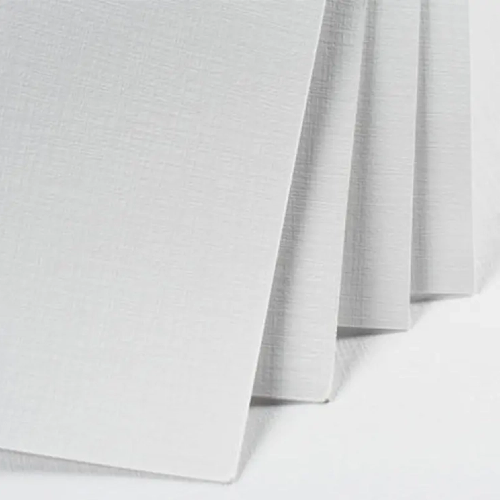
Choosing the right weight and thickness of your painting surface is crucial to achieving the desired results in your work.
Oil painting paper typically comes in weights ranging from 180gsm to 600gsm, depending on the brand and type. The heavier the paper, the better it can absorb the paint without warping. Generally, artists prefer paper in the 300gsm to 400gsm range, which offers a good balance between durability and handling.
Canvas pads are heavier than oil painting paper due to the thickness of the fabric and the primer used. Canvas pads are usually available in weights of around 200gsm to 400gsm, but the thickness of the fabric can provide additional durability. The heavy weight of canvas pads makes them ideal for thick paint applications and traditional oil painting techniques.
When considering the flexibility and convenience of each medium, it's important to think about the portability, preparation required, and ease of use.
Oil painting paper is incredibly flexible and easy to work with. It doesn't require stretching or priming, so artists can begin painting immediately. This makes it an excellent choice for artists who want to work quickly or prefer to keep things simple. The paper is also more portable than canvas, as it’s lighter and easier to carry around, especially for outdoor painting.
Canvas pads are more rigid and heavier than oil painting paper, which makes them less portable but more durable. While canvas pads are convenient in that they don’t require stretching, they still require more care and handling compared to oil painting paper. The rigid texture of canvas pads makes them ideal for artists who are working on larger compositions or more detailed work.
Cost is a key factor when deciding between oil painting paper and canvas pads. Artists must choose based on their budget and the frequency with which they intend to use the medium.
Oil painting paper is generally more affordable than canvas pads, especially for beginners or artists who prefer to work with smaller pieces. The price varies depending on the weight, brand, and texture of the paper, but it is usually more economical compared to the cost of canvas pads.
Canvas pads are more expensive than oil painting paper due to the material costs associated with canvas and the priming process. While canvas pads may be pricier, they provide a durable surface that can handle thicker paint layers, making them ideal for more advanced artists or those working on larger projects.
There is no one-size-fits-all answer when it comes to choosing between oil painting paper and canvas pads. Both have their strengths and ideal use cases.
Ideal for quick sketches, studies, and smaller works.
Great for artists who prefer the portability of paper.
Best for artists who don’t want to deal with the stretching and priming of canvas.
Suitable for larger projects or works requiring heavy layers of oil paint.
Preferred by artists who want a traditional canvas texture but in a more portable form.
Ideal for experienced artists who require a more rigid and durable surface.
In conclusion, both oil painting paper and canvas pads offer unique benefits, with the choice ultimately depending on the artist’s preferences, techniques, and project requirements. Oil painting paper is perfect for those seeking portability, convenience, and ease of use, while canvas pads provide a more traditional, durable surface capable of handling thicker applications of paint. At Fu Te Lai Papers Co., Ltd., we offer a variety of high-quality oil painting papers tailored to suit different artistic needs. Our products are designed to help you achieve the best results, whether you're working on small studies or large-scale projects. Understanding the right surface for your artwork is crucial, and we’re here to guide you in making the best choice. For more information or to find the perfect paper for your next masterpiece, feel free to contact us. We are committed to providing the materials that will enhance your creative journey.
Yes, oil painting paper can be used for a variety of oil painting techniques, from traditional layering to glazing. However, for very thick paint applications, a canvas pad may be a better choice due to its durability.
It depends on the artist’s preferences. Canvas pads offer a traditional texture that many beginners find appealing. However, oil painting paper can be a more affordable and portable option for beginners.
Oil painting paper can handle moderate layers of oil paint, but for thicker applications, canvas pads are generally more suited due to their more rigid texture.
No, oil painting paper does not need to be stretched. It is ready to use right out of the pad, which is one of the main advantages over canvas.
Yes, oil paintings on oil painting paper can be framed, but they may need additional support, such as mounting on a backing board, to prevent warping.


